
wall mounted light up makeup mirror
Choosing the right materials for ball check valves is critical to ensuring their performance, durability, and reliability in industrial applications. These valves, designed to allow unidirectional flow and prevent backflow, are used in sectors ranging from oil and gas to water treatment and chemical processing. The material composition of the valve body, ball, and sealing components directly impacts its resistance to corrosion, temperature tolerance, and mechanical strength. This article explores material selection strategies for ball check valves , focusing on specific configurations such as 1 ball check valve , 2 ball check valve , and 4 ball check valve systems, while addressing common questions about their design and application. Understanding the Role of Material in Ball Check Valve Performance Ball check valves rely on a free-moving ball that seats against a sealing surface to block reverse flow. The choice of materials for the ball, valve body, and seat determines the valve’s compatibility with fluids, pressure ratings, and lifespan. For instance, stainless steel is widely used for its corrosion resistance, while polymers like PTFE (polytetrafluoroethylene) excel in chemical-heavy environments. In high-pressure systems, hardened alloys or ceramics may be required to prevent deformation of the ball or seat. Conversely, in low-pressure water systems, brass or PVC offers a cost-effective solution. Material selection must also account for temperature extremes: metals like titanium perform well in high-heat scenarios, while elastomeric seals may degrade if exposed beyond their thermal limits. Manufacturers producing ball check valves in bulk must balance performance requirements with material availability and cost-efficiency. Standardizing materials for common applications ensures consistency, while custom solutions cater to niche industries. Key Considerations for 1 Ball Check Valve Material Selection The 1 ball check valve , a single-ball design, is the most common configuration due to its simplicity and effectiveness. Material choices here prioritize fluid compatibility and mechanical resilience. Valve Body: Stainless steel (e.g., 316L) is ideal for corrosive fluids, while brass suits water and gas applications. Ball: Chrome-plated steel or silicon nitride (a ceramic) enhances wear resistance and reduces friction. Seat: PTFE provides a tight seal while resisting chemical degradation. For example, in marine environments, a 1 ball check valve with a 316L stainless steel body and PTFE seat resists saltwater corrosion. In contrast, a brass-bodied valve with a rubber seat might be used in residential plumbing. Bulk manufacturing of 1 ball check valve units often leverages these standardized materials to meet diverse industry needs without compromising quality. Optimizing Material Choices for 2 Ball Check Valve Systems The 2 ball check valve incorporates two balls in series, offering redundancy and enhanced backflow prevention. This design is common in critical systems where failure could lead to contamination or equipment damage. Material selection here must address increased mechanical stress and potential wear from dual-ball movement. Valve Body: Duplex stainless steel provides higher strength for high-pressure applications. Balls: Tungsten carbide or ceramic balls minimize wear in abrasive fluid environments. Springs (if applicable): Inconel alloys retain elasticity under cyclic loading. For instance, in hydraulic systems, a 2 ball check valve with tungsten carbide balls and a duplex stainless steel body ensures longevity despite frequent pressure surges. Bulk production of such valves requires precise material sourcing to maintain uniformity across large batches. Advanced Material Solutions for 4 Ball Check Valve Applications The 4 ball check valve , a complex configuration with four balls, is engineered for ultra-high-pressure or multi-directional flow control. These valves demand advanced materials capable of withstanding extreme operational stresses. Valve Body: Super alloys liketitanium is used in aggressive chemical or high-temperature environments. Balls: Silicon nitride or zirconia ceramics offer superior hardness and thermal stability. Seals: PEEK (polyether ether ketone) withstands temperatures up to 250°C and aggressive chemicals. In aerospace fuel systems, a 4 ball check valve with a titanium body and ceramic balls ensures reliability under rapid pressure changes. Manufacturers producing these valves in bulk collaborate closely with material suppliers to ensure traceability and compliance with industry standards. FAQs About Ball Check Valve Material Selection What materials are recommended for a 1 ball check valve in high-temperature environments? Stainless steel (grade 316 or 304) is ideal for the valve body, while ceramic balls and PEEK seals ensure thermal stability up to 400°C. How does material choice affect the lifespan of a 2 ball check valve? Durable materials like tungsten carbide balls and duplex stainless steel reduce wear, extending the valve’s lifespan even under cyclic pressure conditions. Can a 4 ball check valve handle corrosive chemicals? Yes, using super alloys like PTFE seals ensures compatibility with acids, alkalis, and solvents. Is brass suitable for a 1 ball check valve in potable water systems? Absolutely. Brass offers excellent corrosion resistance in water applications and meets NSF/ANSI standards for drinking water safety. Why are ceramic balls used in high-end ball check valves? Ceramics provide unmatched hardness, reducing friction and wear while maintaining performance in abrasive or high-pressure scenarios. Material selection for ball check valves is a science that balances operational demands, environmental factors, and economic feasibility. Whether designing a 1 ball check valve for residential use or a 4 ball check valve for industrial extremes, understanding material properties ensures optimal performance. Manufacturers specializing in bulk production prioritize standardized, high-quality materials to deliver reliable valves that meet global industry standards. By aligning material choices with application requirements, end-users achieve longevity, safety, and efficiency in their fluid control systems.
about
wall mounted light up makeup mirror
The Role of Gate Valves in Plumbing Systems Gate valves are essential components in plumbing systems, serving the crucial purpose of controlling the flow of fluids in pipelines. These valves are designed to either allow or block the passage of water, making them fundamental to the efficient operation of residential, commercial, and industrial plumbing installations. Understanding gate valves, their types, and their applications can help homeowners and plumbing professionals alike make informed decisions regarding their plumbing systems. What is a Gate Valve? A gate valve is a type of linear valve that operates by raising or lowering a gate (or wedge) within the valve body. This mechanism allows for full flow when the valve is open and complete blockage when closed. Gate valves are typically used in applications where minimal pressure drop and low turbulence in the pipeline are required, making them ideal for on/off service rather than flow regulation. Types of Gate Valves There are several types of gate valves used in plumbing systems, each designed for specific applications 1. Rising Stem Gate Valves In these valves, the stem rises as the valve opens, making it easy to visually indicate the valve’s position. This type is commonly used in water supply lines. 2. Non-Rising Stem Gate Valves Ideal for installations with limited vertical space, these valves feature a stem that turns without rising, making them a practical choice for underground or confined spaces. 3. Wedge Gate Valves These valves use a wedge-shaped gate that fits tightly against the valve seat when closed, creating a seal that minimizes leaks. They are widely used in water and sewage applications. 4. Parallel Gate Valves Utilizing a parallel plate, these valves offer minimal throttling when partially open. They are often found in larger pipelines where precise flow control is necessary. Advantages of Gate Valves Gate valves offer several advantages that make them a popular choice in plumbing systems - Low Resistance to Flow When fully open, gate valves provide a straight-line flow path, resulting in minimal pressure drop. This is particularly beneficial in large diameter pipes where high flow rates are required. gate valve in plumbing - Durability Gate valves are known for their robust construction, which can effectively withstand high pressure and temperature variations, making them suitable for various applications. - Simplicity The design of gate valves is straightforward, consisting mostly of a body, gate, stem, and a handle. This simplicity translates into easy operation and maintenance. - Cost-Effective Generally, gate valves are less expensive than other types of valves, especially when high volume flow control is required without pressure regulation. Limitations of Gate Valves Despite their advantages, gate valves do come with certain limitations. They are not ideal for applications requiring frequent adjustments to flow. For example, if you need to throttle or control the flow rate, a globe valve might be a better option. Additionally, due to the design, gate valves can be susceptible to wear and tear over time, especially if they are not regularly operated. Applications of Gate Valves Gate valves find their applications in various areas - Water Supply Systems Used to control the flow of water from municipal sources to individual homes or businesses. - Fire Protection Systems Critical in controlling water flow for fire suppression systems, ensuring that water can be quickly accessible when needed. - Industrial Applications Utilized in manufacturing plants, chemical processing, and oil and gas operations where large flows of liquid need to be managed. Conclusion In conclusion, gate valves play a pivotal role in plumbing systems by providing reliable and efficient control of fluid flow. Their robust design, simplicity, and effectiveness in minimizing pressure loss make them a preferred choice in many applications. However, understanding their limitations and suitable uses is essential for optimal plumbing performance. As plumbing technology advances, gate valves continue to adapt, ensuring their relevance in modern piping systems while contributing to improved efficiency and reliability.
-

High quality industrial productsagement

High quality industrial products
View Details -

Meet the diverse needs of customers

Meet the diverse needs of customers
View Details -

Strict quality control

Strict quality control
View Details -

Top raw materials

Top raw materials
View Details -

Trusted supplier

Trusted supplier
View Details
Our application

news and information
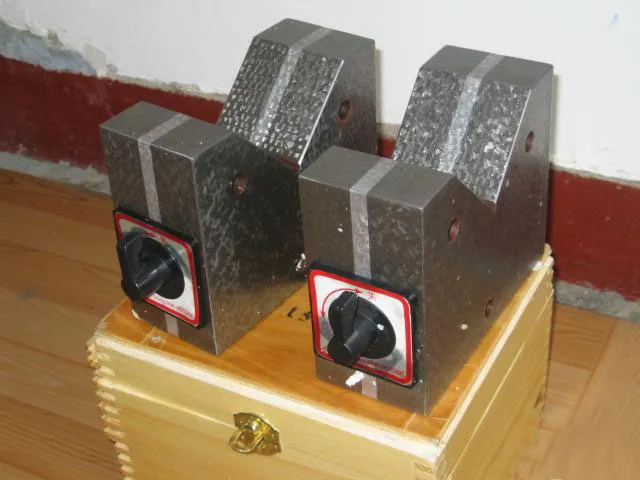
Welding Table Cast Iron Surface Finish Guide
As a wholesaler in the welding equipment industry, understanding the intricacies of welding table ca

Vis mig et vaterpas til præcise målinger
Vis mig et vaterpas Vaterpas er en uundgåelig værktøj i både byggeri og håndværk, men har også en dy
Various Types and Applications of Micrometers in Precision Measurement
Types of Micrometers Precision Tools for Measurement Micrometers are precision measurement instrumen
 English